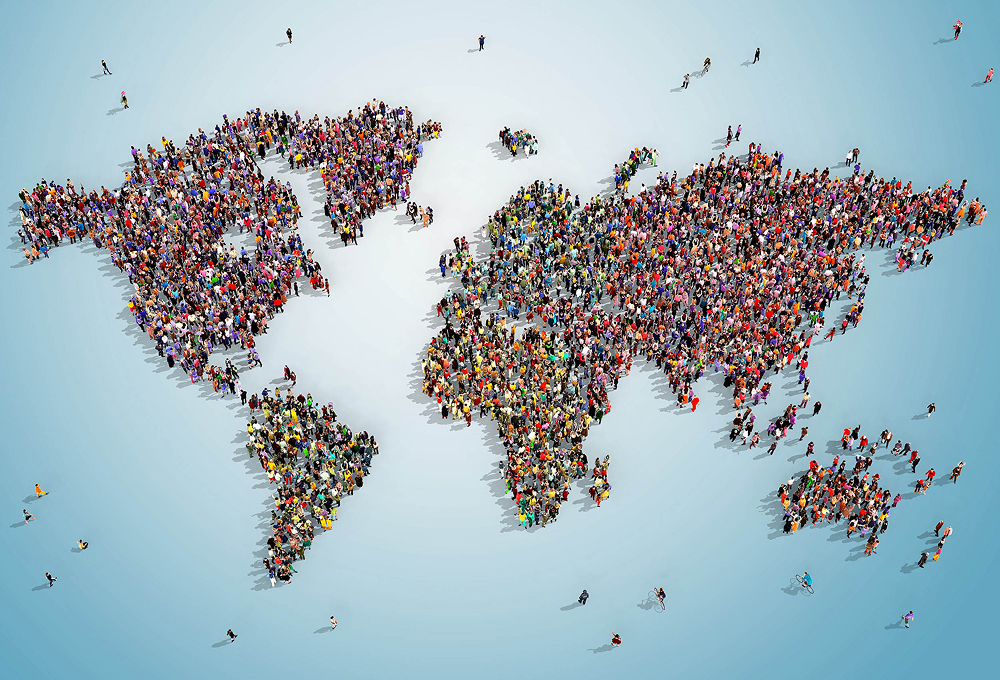
Introverts have crossed the halfway mark and become the majority.
It’s almost impossible to believe. But if it’s true, I can’t quite put into words how happy that makes me feel.
This time, I want to talk about some global population statistics I came across recently.
A Global Ranking of Introverted Countries
Here’s the site I was looking at.
I hadn’t seen this site before, but it appears to be a platform that visualizes a wide range of statistics — population, birth rates, average income, literacy rates, obesity levels, crime rates, and more — using data from sources such as the United Nations.
Among all those datasets, one caught my attention:
a global ranking of introversion, titled Most Introverted Countries 2026
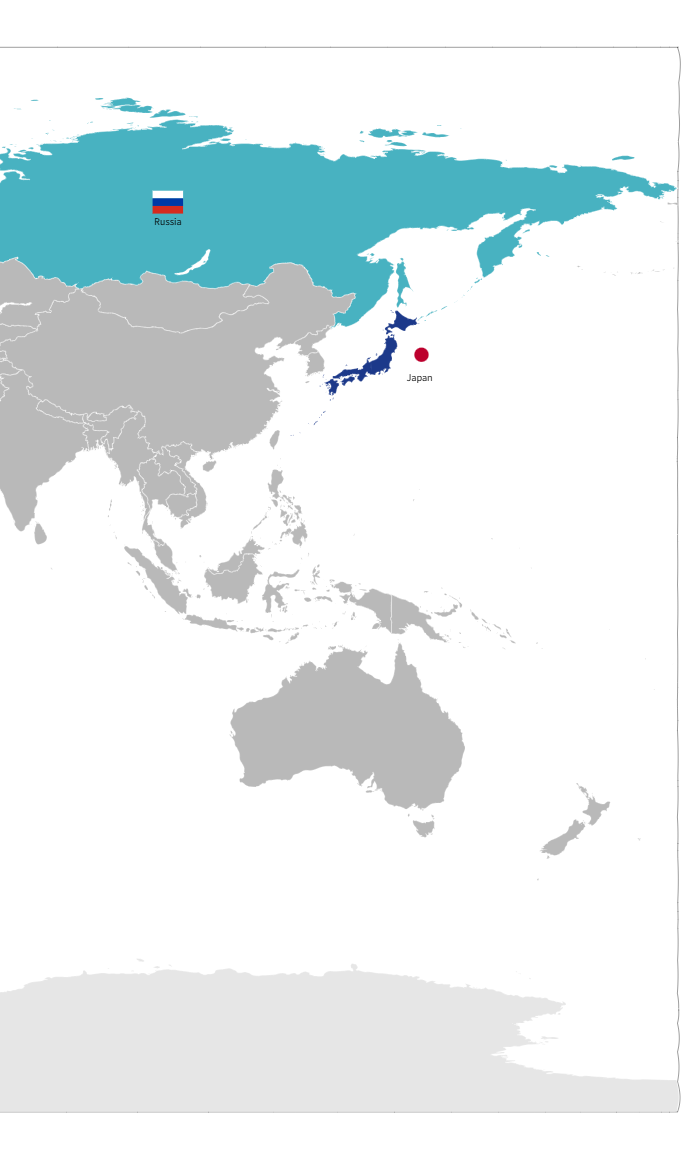
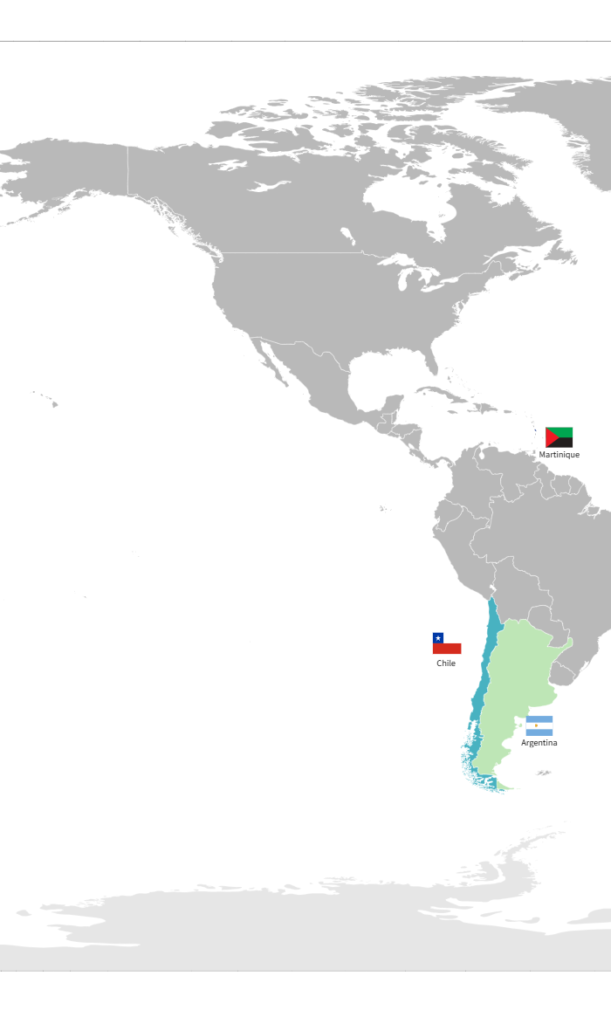
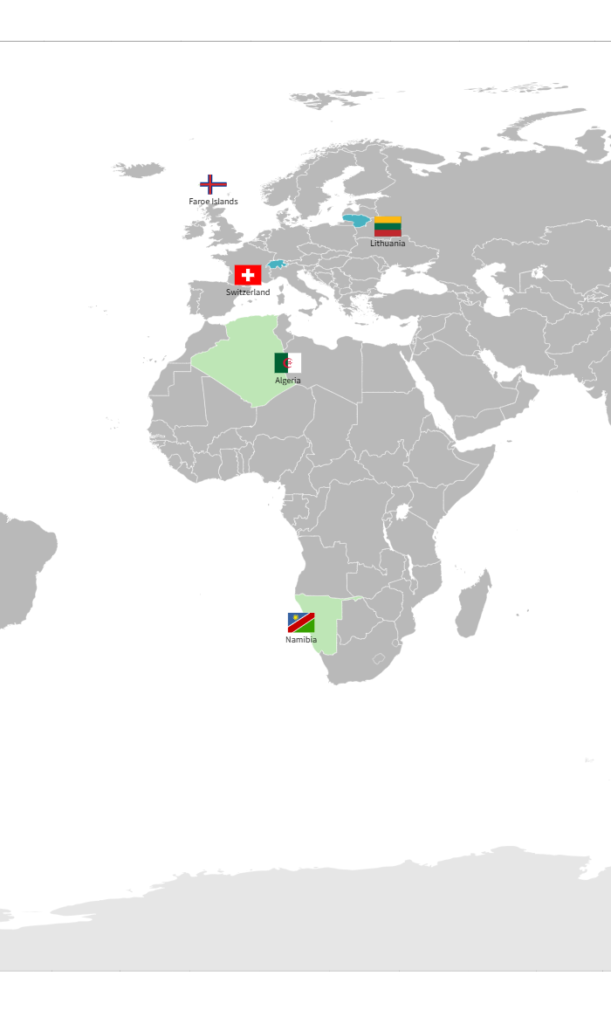
Based on that ranking, I created a map myself to make things easier to follow.
(You can zoom in by long-pressing)
The Introversion Ranking ―――
1st

Martinique
(France)
An island in the Caribbean
56.42%(introverted)
2nd
Lithuania
The southernmost of the Baltic states
55.6%
3rd
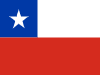
Chile
The long, narrow country in South America
55.46%
4th
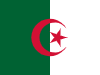
Algeria
Located in southwestern Africa
55.15%
5th
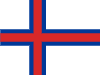
Faroe Islands
(Denmark)
An island group north of the UK
55.11%
And from 6th place onward…
Many of the countries near the top are completely unexpected.
What’s even more interesting is that, regardless of ranking, the site also highlights several countries with short commentaries.
Japan
(Asia)
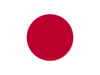
51.54%
This might look like an error on the surface, but the acclaim, innovation, and technology that Japan is recognized for isn’t indicative of a very private culture. These quiet people have also shown the world that big things aren’t always big – in either personality or size.
Russia
(Europe)
53.9%
Not only does Russia have the geography for being an introverted country, but they also bank on it, literally. Russia is home to many B&B-style inns and destinations, made for those who want to get away from, well – everyone.
Switzerland
(Europe)
48.2%
The country of Switzerland is not only surrounded by mountains, but it maintains a policy of military neutrality to this day. No, the Swiss aren’t interested in getting involved in much outside its borders (it is neither a member of NATO nor the EN) but don’t mistake introverted for unfriendly though, as Switzerland is also a great tourist destination.
Argentina
(South America)
54.57%
This country on the southernmost tip of South America is located in the right place for an introverted country. While Argentina shares a continent, it is definitively a country of its own and one of the most introverted countries in the world.
Namibia
(Africa)
49.23%
The vast desert land doesn’t hurt this country’s leaning toward keeping to itself. Once again, friendly people, but that doesn’t mean that visitors should overstay their welcome.
There’s something oddly fascinating about how seriously the site links introversion to geography 😅
The Evolution of Introverts and Extroverts
I’ve written quite a few articles about introversion on this blog, so these results came as a real surprise to me.
I knew that roughly one-third of the world’s population is said to be introverted — but I never imagined there would be so many countries where introverts come close to a majority, or even form one.
How much trust you place in these results is ultimately up to you. It’s hard to say how accurately the precise numbers reflect reality. What I want to focus on here, however, is what these findings might mean when viewed through the lens of human evolution.
Until now, I had assumed that —
In terms of population, extroverts are the majority and introverts the minority.
The exact proportions may shift, but the overall pattern felt like an unshakable truth. I believed this was simply the natural order of things for humanity.
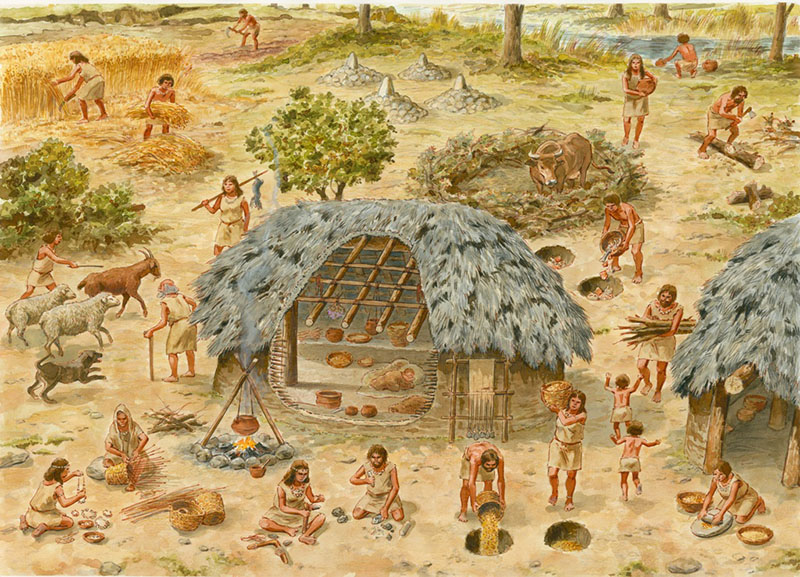
And here’s why.
As long as humans are fundamentally social creatures, extroversion is bound to stand out and become dominant. This feels like a law of nature — and probably not one unique to humans. Among other animals as well, individuals with more outward, assertive traits are likely to be more common.
And Yet, Introverts Remain
Looking at human history and evolution, I have long believed that it was inevitable for introverts to remain a minority. And yet — even if we are a minority — why haven’t introverts, myself included, disappeared? If introversion were truly unnecessary for humanity, it should have been eliminated by natural selection. There must be a reason we are still here.
What’s more, as the demographic data suggests, there are now many countries where introverts appear to be the majority.
Why is that?
For example:
・social media
・video streaming
・online shopping
・remote work
・・・
all of these are lifestyles made possible by technology. We can now communicate without meeting people face to face, and more forms of entertainment can be enjoyed entirely on one’s own.
More than a decade ago, an American woman named Susan Cain began sharing the strengths of introverts with the world. That moment marked a shift: the long-held negative image of introversion started to change. Soon after, blogs, books, and social media around the globe followed, giving introverts a voice.
I believe these shifts form one of the factors behind the growing number of introverts today. People who don’t want to go out can now live their lives without forcing themselves to do so. And those who once felt compelled to perform extroversion have found the freedom to come out as introverts. Where this trend will lead is something well worth watching.
Finally —
of course, human beings can never be fully categorized as simply introverts or extroverts. Everyone knows this. And yet, it is also true that introversion holds a certain universality, transcending regions and cultures around the world.
What does it mean to be an introvert?
Where did we come from, and where are we headed?
Searching for answers to those questions — that’s why I’m writing this blog today as well.