Scientists Who Seem Ambiverted
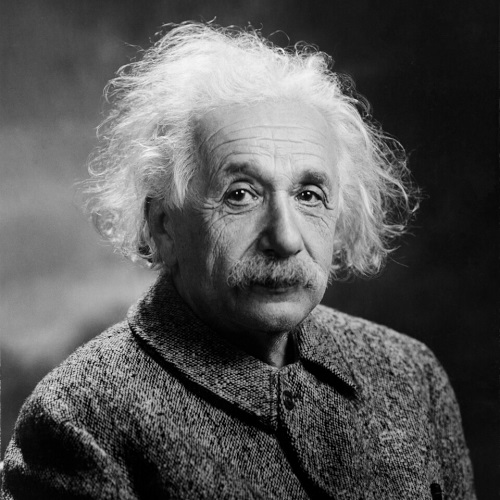
Albert Einstein
Physicist
1879〜1955 Germany (later United States)
Valued long hours of solitude, returning again and again to thought experiments quietly played out in his mind. At the same time, enjoyed lecturing, writing, and engaging with society, often using humor and simple language to share complex ideas.
Comfortable both in silence and in conversation, he moved easily between deep inner reflection and open public exchange.
<Theory of Relativity>
Reimagined time and space as relative rather than absolute, reshaping our understanding of the universe.
The relationship expressed in “E = mc²” became a cornerstone of modern physics and now supports technologies such as GPS and space exploration.
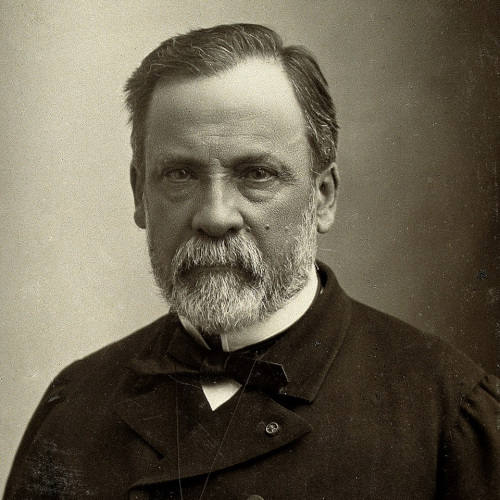
Louis Pasteur
Biochemist, microbiologist
1822〜1895 France
Thrived on careful observation, repeating experiments with quiet focus and never overlooking small changes. Beyond the laboratory, he spoke with conviction — explaining disease, hygiene, and prevention directly to society.
A scientist who paired deep concentration with a strong sense of responsibility to the public.
<Germ Theory and the Development of Vaccines>
Demonstrated that fermentation and disease are caused by microorganisms, firmly establishing germ theory and transforming how illness was understood.
Developed vaccines such as the rabies vaccine, laying the foundations for modern medicine, public health, and everyday hygiene that we now take for granted.

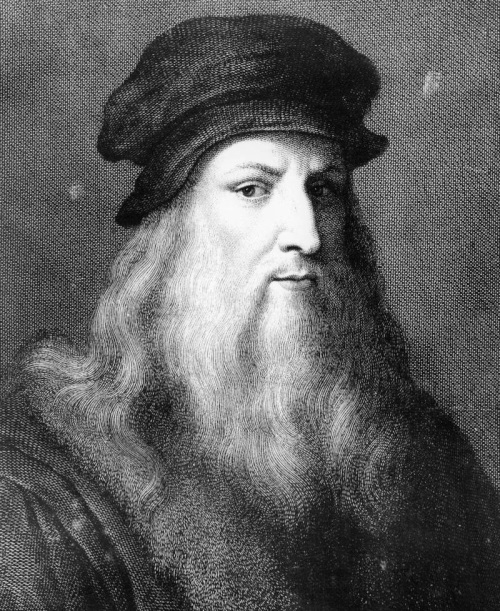
Leonardo da Vinci
Artist, inventor, engineer, anatomist
1452〜1519 Italy (Florence Republic)
Spent long hours in quiet observation, studying nature and the human body through careful sketches. Driven by curiosity, he examined how things worked — bones, muscles, water, light — one detail at a time.
Yet in courts and workshops, he spoke eagerly with others, sharing ideas, designs, and visions for what might be created. A truly universal genius, combining profound thought, creative brilliance, and a natural sociability.
<A Multidisciplinary Quest Linking Art and Science>
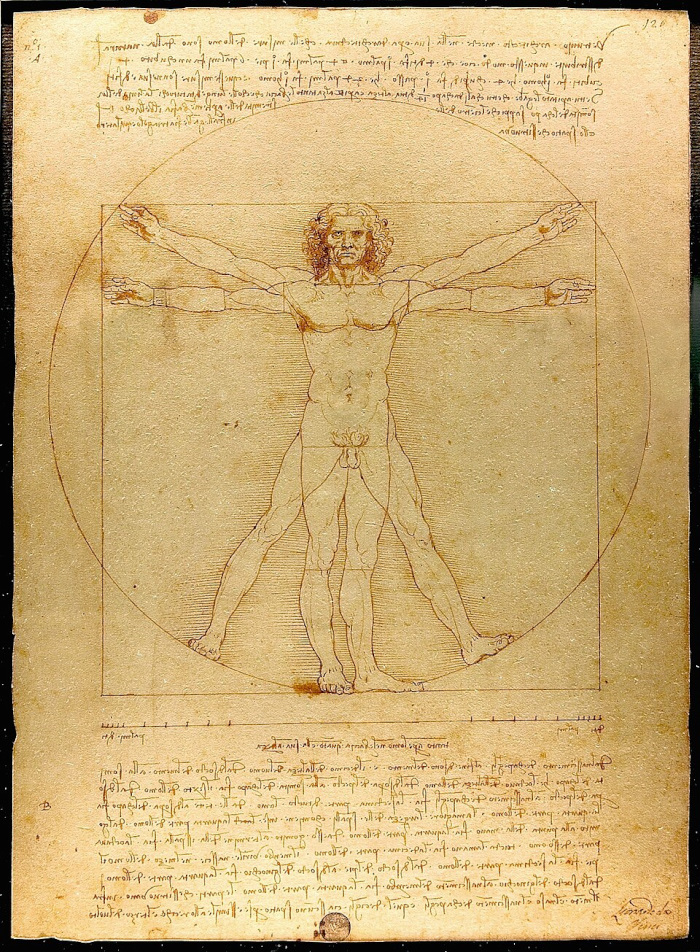
Created masterpieces such as the Mona Lisa and The Last Supper, he moved effortlessly between art and science, giving form to ideas through anatomical studies, designs for flying machines, and countless other explorations.
His notebooks wove together the structures of the natural world and the principles of mechanics — a true Renaissance synthesis of knowledge — and their influence continues to echo in modern science, engineering, and design.
That brings us to the end.
Did you find someone who felt a little like you?
In this article, we looked at scientists through the lens of introversion and extroversion.
Of course, every human being is different, and no one fits perfectly into a single category. Still, there is one quality all scientists seem to share — something without which they could never have become scientists at all.
Curiosity ―――
The urge to question what seems obvious.
The ability to hold onto a quiet sense of wonder rising from within.
A longing for the unknown.
It’s something most of us have as children, but slowly lose as we grow older.
We hesitate, unsure of what lies ahead.
There may be nothing there.
There may be hardship along the way.
And yet, some people cannot help but move forward anyway.
I believe those people — the ones who continue to follow that inner pull, despite uncertainty — are the ones we call scientists.
I hope this article has refreshed the image of scientists you may have held until now, and perhaps even led you to a few new discoveries 😌