Scientists Who Seem Extroverted
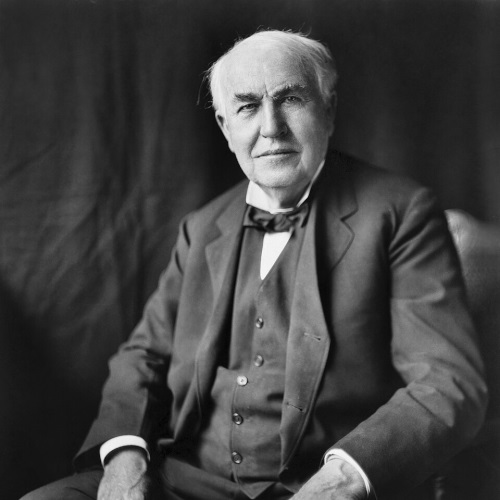
Thomas Alva Edison
Inventor, entrepreneur, electrical engineer
1847~1931 United States
Energetic and endlessly curious, thriving in lively environments filled with people and ideas. Worked late into the night with teams of assistants, testing, debating, and refining ideas through constant interaction.
Bold in action and relentless in experiment, he turned ideas into systems that reached society at scale — an inventor whose strength lay in motion, collaboration, and momentum.
<From the Light Bulb to Film>
Improved the incandescent light bulb and built a direct-current power system that brought electricity to cities.
Also developed the phonograph and early motion-picture technology, reshaping daily life and entertainment.
Later clashed with Nikola Tesla over alternating current — an iconic rivalry.

Carl Linnaeus
Biologist, botanist
1707〜1778 Sweden
Fascinated by plants from an early age, roaming outdoors to collect specimens and eagerly explaining them to those around him. Rather than working in isolation, he thrived on conversation — sharing observations, teaching students, and spreading ideas with enthusiasm.
By organizing the living world and communicating its order to others, he turned classification into a shared scientific system.
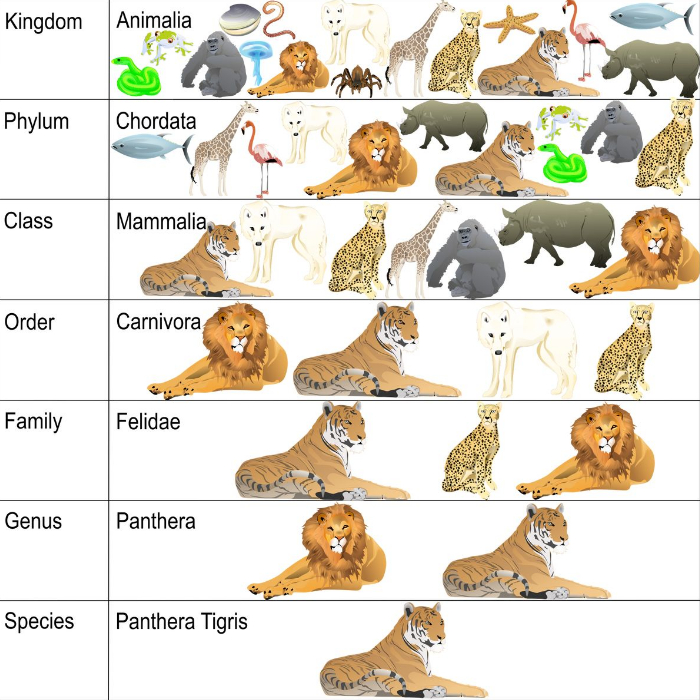
<Binomial Nomenclature and Modern Taxonomy>
Created a system that names organisms using two words — genus and species — bringing order to the vast diversity of living things.
Still used today, it allows scientists around the world to describe, compare, and study life through a shared framework, turning nature into a common language.
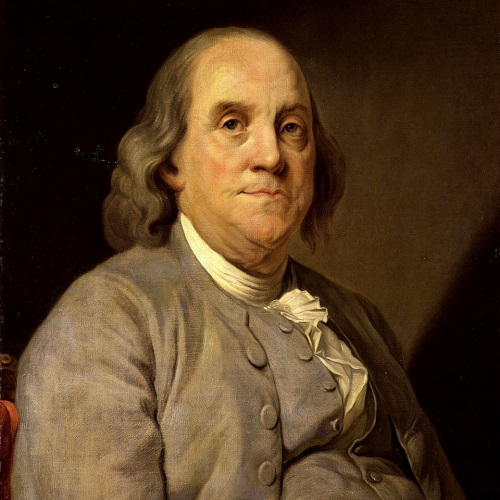
Benjamin Franklin
Statesman, diplomat, physicist
1706〜1790 United States
Believed knowledge should circulate beyond laboratories, working actively as both an inventor and a statesman. Through lectures and publications, he shared his ideas widely, striving to improve society through reason and action.
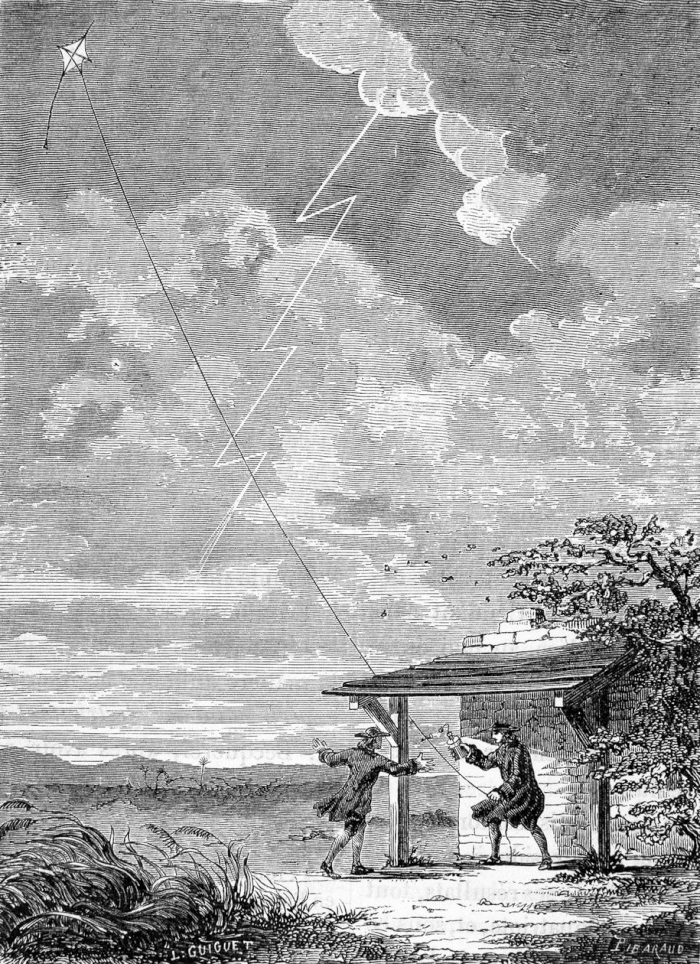
Known for his kite experiment revealing the nature of lightning and his efforts to establish public institutions — a free-spirited figure.
<Electricity and the Lightning Rod>
Demonstrated that lightning is electrical in nature and invented the lightning rod. This simple yet powerful device protects buildings and ships from strikes and remains essential to modern infrastructure.
His work stands as a clear example of science put directly to work for society.
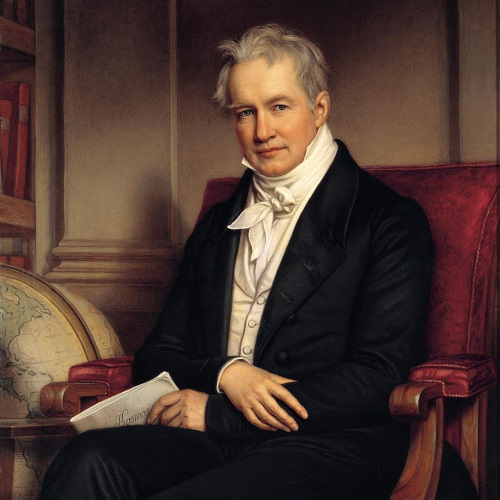
Alexander von Humboldt
Explorer, naturalist, geographer
1769〜1859 Kingdom of Prussia (Germany)
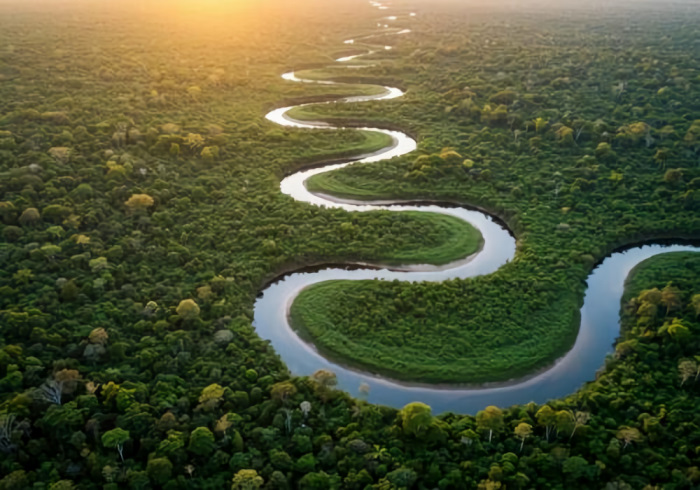
Restless by nature, he felt most alive immersed in the great outdoors, constantly seeking new discoveries. From tropical South America to the high Andes, he conducted research while engaging closely with local people, later sharing his insights through lectures and books.
An explorer whose influence continues to reach scientists and artists around the world.
<Nature as an Interconnected System>
Showed that plants, climate, and geography are deeply connected, describing nature as a vast, interwoven web.
This vision became a foundation for modern ecology and climate science, anticipating a worldview essential to understanding today’s environmental challenges.
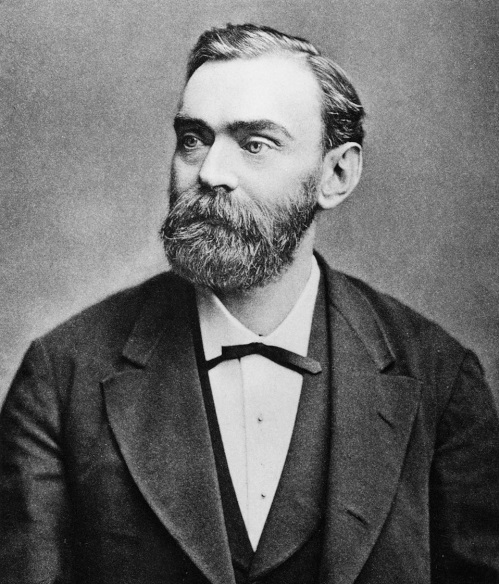
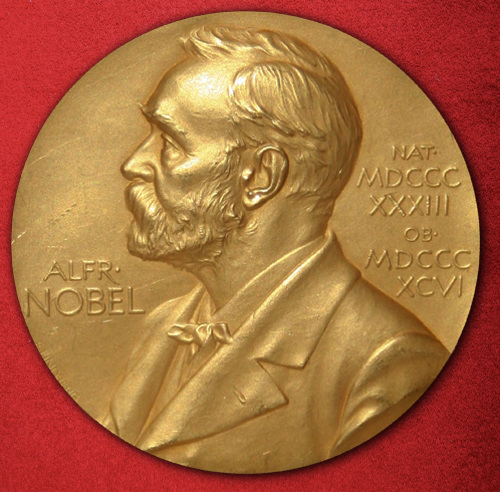
Alfred Nobel
Chemist, inventor, industrialist
1833–1896 Sweden
Deeply interested in chemistry and the properties of materials, he pursued new technologies through constant experimentation and refinement. While valuing time for solitary thought, he also acted decisively outward — founding factories, expanding businesses across borders, and working to bring his inventions into society.
A driven figure who never lost sight of the impact science could have on the world beyond the laboratory.
<Dynamite and the Nobel Prize>
Improved the unstable and dangerous nitroglycerin into a safer, practical form, leading to the invention of dynamite. This breakthrough greatly advanced civil engineering and mining, yet also raised serious concerns when applied to weaponry.
Reflecting on these consequences, he established the Nobel Prize to honor achievements in science, peace, and literature ・・・ an award that remains one of the most prestigious and widely recognized in the world today.