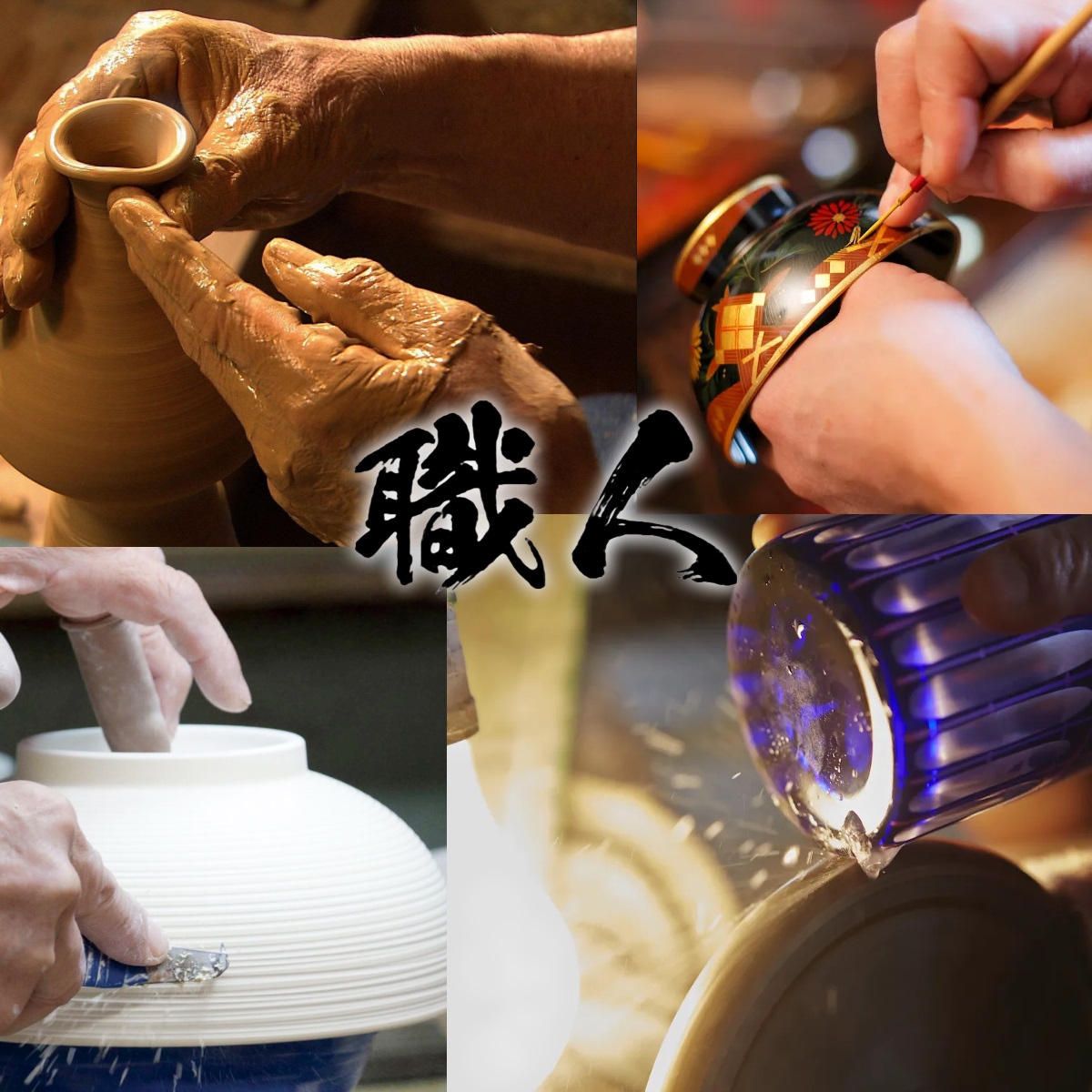
The Japanese word “職人”(shokunin) can be translated as both craftsman and artisan in English.
This time, I’d like to introduce these craftsmen. They are the very source of what we call “Made in Japan,” and even as a Japanese myself, I can’t help but admire how cool they are 😌
The Quiet Strength of Introversion Shining through Craft
First, let me share why I chose to write about craftsmen.
When I picture a craftsman, I see someone who
works silently,
devoted to their craft,
holding on to pride and conviction,
never compromising until the work feels truly complete.
That’s the image I carry. How about you?
For me, this image overlaps almost perfectly with what it means to be introverted. Of course, not all craftsmen are introverts — there are extroverts too, and the traits we associate with craftsmen likely differ from country to country.
But when I think of Japanese craftsmen, certain qualities stand out:
These qualities — so closely tied to the strengths of introversion — resonate strongly with me.

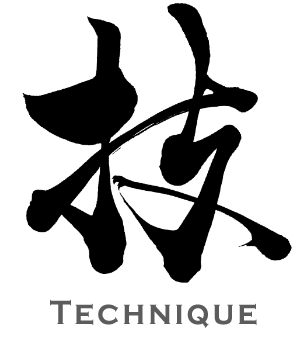
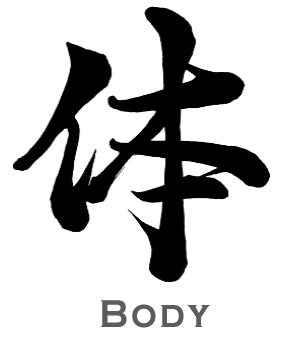
The Value of Craftsmanship in a Modern Age
Craftsmen today still shape our world in countless ways: dishes, knives, food, clothing, houses, paper, fireworks… the list goes on. You may even have your own image of “that one craftsman” who comes to mind. And yet, in daily life, chances to consciously notice their work are surprisingly few.
For everyday use, items don’t necessarily have to be made by a craftsman — machines can mass-produce the same kind of thing cheaply, quickly, and in huge quantities. The 100-yen shop is the perfect example — where nearly everything for daily life can be bought for just 100 yen (about one US dollar). When you stop and think about it, it’s mind-blowing 😵
Compared to that, craftsman-made objects are usually one of a kind, fewer in number, and more expensive. If you only look at functionality, you might not choose them. Still, many of us feel drawn to the unique value in handmade things, something mass production can never offer.
The value of craftsmanship may shift with the times, but it never disappears.
In Japan especially, respect for craftsmen, skill, craftsmanship, and handmade work runs deep. TV programs often feature craftspeople, and many towns proudly brand themselves as “crafting towns.” Shops highlight the charm of things that can only be handmade. It’s very much part of our culture 😌
We now live in the age of generative AI, where anyone can instantly create text, pictures, or music that look convincing enough. As a blogger and an engineer myself, I create things every day. Perhaps that’s why I feel a strong desire to keep learning from true craftsmen — their clarity, their discipline, their quiet brilliance that still shines today ✨
The Art of Craft
For this piece, let’s take a look at craftsmen who create vessels.
Pottery (Tōki)
Made from clay, shaped by wheel or mold, then carefully fired in a kiln. The soil, glaze, and firing method give each piece its own unique expression. No two are ever the same. The craftsman works directly with nature’s raw materials, relying on the feel of their hands to complete each piece with care.
Porcelain (Jiki)
Made from stone, fired at high temperatures. White, hard, smooth — often adorned with delicate painting or elegant forms. Every detail matters, and the craftsman brings precision and tension to each piece, missing not even the smallest flaw.
Lacquerware (Shikki)
A traditional craft made by layering natural lacquer over wood. Because drying takes time, the process requires great patience. The craftsman quietly, lovingly applies each coat, giving the vessel both durability and a soft, glowing sheen.
Glasswork
The famed Edo Kiriko technique involves cutting patterns into colored glass. Each line is carved by hand, calculated to catch and refract the light. What emerges is a beauty that machines can’t replicate — a shimmering, human touch that holds a hint of gentle imperfection.
That’s all for today’s article on craftsmen (artisans).
If you felt even a little spark of inspiration, I’m glad 😌
I’m planning to turn this into a series, so stay tuned for the next one!