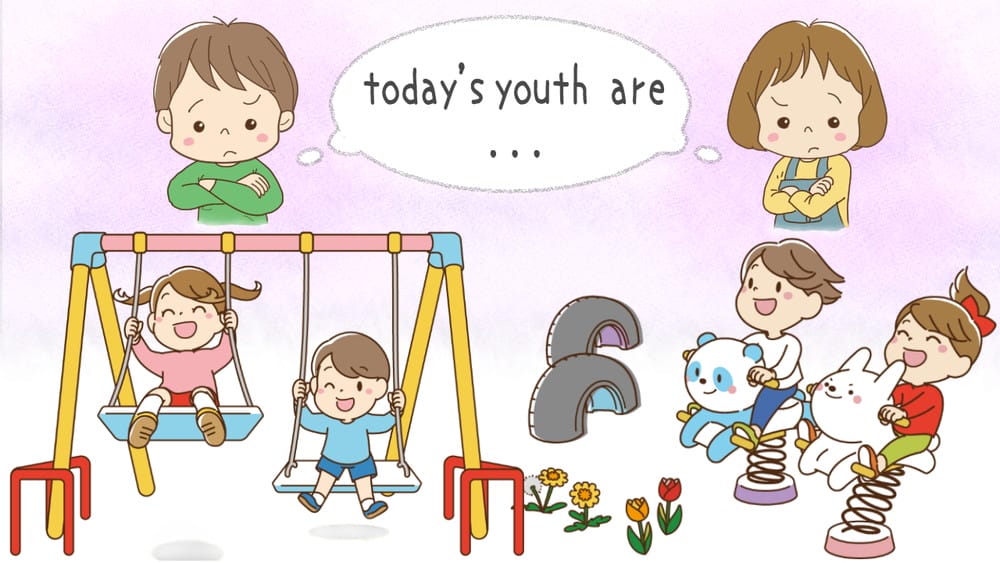
“Today’s youth are…”
“Young people these days…”
— a phrase that almost feels like a proverb. As you probably know, it’s typically used by older generations to criticize or lament the perceived shortcomings of the young.
It’s never really meant as praise. And honestly, haven’t we all had moments where that sentiment just… slips into our thoughts?
A few years ago, during my company’s morning assembly, a coworker shared an episode about this phrase. It stuck with me, so I’d like to share it here.
The Origin of the Phrase
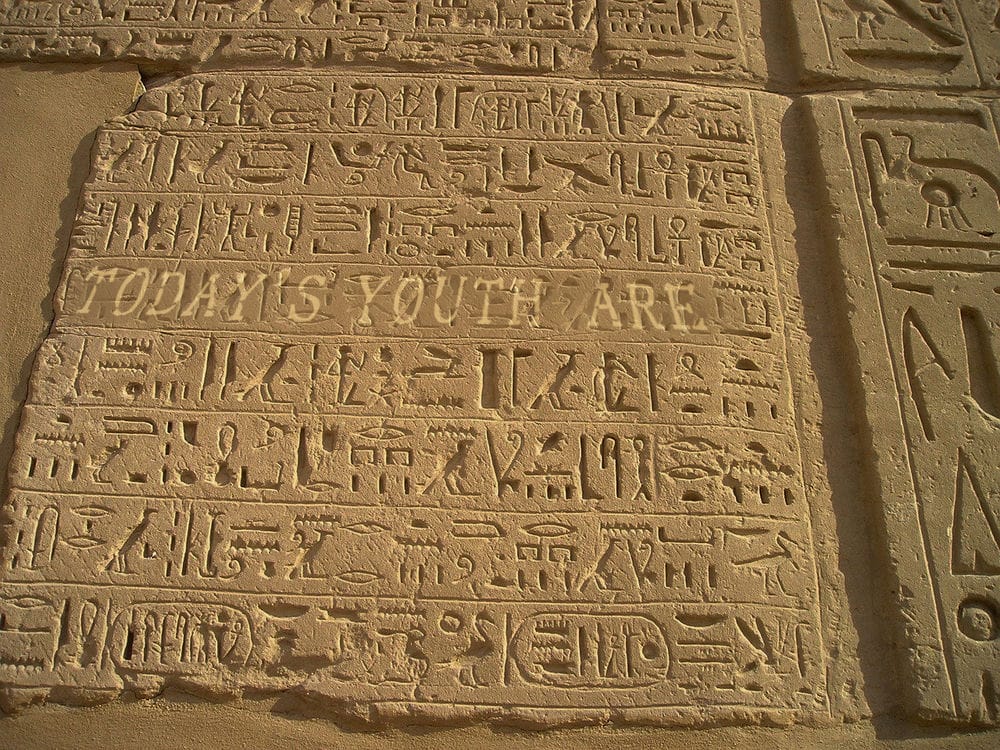
Some say the origins of this expression go back thousands of years. According to one theory (though there are others), it was actually inscribed on an ancient Egyptian stone tablet. The fact that it existed so long ago is astonishing enough, but if it’s true, then here’s the picture:
Long ago, there was a young man living an ordinary life. One day, while walking down the road, an elder suddenly said to him, “Young people these days…”. The young man had no idea why and stood there, puzzled.
Years passed, and the young man himself grew older, entering middle age. Then one day, he saw a youth doing something baffling, and before he knew it, he blurted out the exact same words: “Young people these days…”.
And so the cycle continued — generation after generation — for thousands of years right up to the present.
In recent years, the age at which people start using this phrase seems to be getting younger and younger — I’ve even heard claims that children as young as five or six are saying it.
The Psychology Behind Using the Phrase
Whether or not that’s true, I’ve found myself increasingly prone to thinking, “Young people these days…” Perhaps it’s because I’m now middle-aged, but it happens more often than before — especially when I see the way some young people dress on the street, hear their opinions in the news, or read about problems they’ve caused.
When I think back on my feelings in those moments, it goes something like this:
“When I was young, life was tough. I went through so many hardships and worked my way up to where I am now. But young people today? They’ve been coddled, grown up without real struggles, and don’t seem to understand basic manners or common sense.”
But when I put it into words and think about it calmly, I realize the generational gap underlying these feelings is completely natural — and, in a way, thinking this way is a bit pointless 😵
The Values Hidden Beneath the Words
I believe people’s values are largely shaped by when, where, and under what circumstances they grew up.
That means it’s only natural that we can’t possibly understand people whose backgrounds are completely different from ours — and human nature tends to make us criticize or even attack what we don’t understand. That’s why older people often judge the young by their own era’s standards and find them baffling or even irritating.
Just as an individual grows over time, humanity as a whole grows over the course of history — with the occasional step backward, of course. Generally speaking, later generations tend to have more refined values. So when today’s youth look at the actions or lifestyles of older generations, they may feel something’s off or outdated.
(Take the current “Showa retro” boom in Japan. It’s a positive example: what once felt outdated now feels fresh and intriguing to younger generations, turning that sense of difference into a source of fascination)

On the other hand, judging people of the past purely by today’s standards can be a bit harsh. If you think about it in extremes, it’s like looking at prehistoric humans through modern eyes — what was once a matter of survival might now seem barbaric.
(As someone who studies history, I often find myself thinking, “I’m so glad I was born in this era,” especially when reading about how easily lives were lost in the past…)
Staying Objective Is Difficult — At Any Age
What’s “acceptable” or “unacceptable” varies from person to person, depending on their values. There’s no universal right or wrong.
We often hear that we should try to be objective, but even at my age, putting that into practice is hard. Having values means we’re already seeing the world subjectively.
I’ve come to believe that being 100% objective is impossible. Even organizations that claim neutrality — like the BBC or NHK — are made up of individuals, each with their own values. That’s why the best we can do is to keep questioning ourselves and try to ensure our values don’t become overly rigid or extreme.
Let’s take introverts and extroverts as an example.
Their ways of thinking are often drastically different. As an introvert myself, I often find extroverted behavior hard to understand — and when those moments pile up, it can stir feelings not unlike the “young people these days…” reaction. The reverse is surely true as well.
When I step back and look at it, it feels like such a waste when these differences lead to mistrust and prevent people from building genuine connections. In reality, I’m rarely calm or mature enough to see it that way in the moment — but I do sometimes think:
“How much better would it be if we could recognize, accept, and bridge our differences to work together more harmoniously?”
“Today’s youth are…” — a deceptively simple phrase that, when you really think about it, carries surprising depth 😑