Hanami and Tsukimi: Japan’s Spring Blossoms and Autumn Moonlight
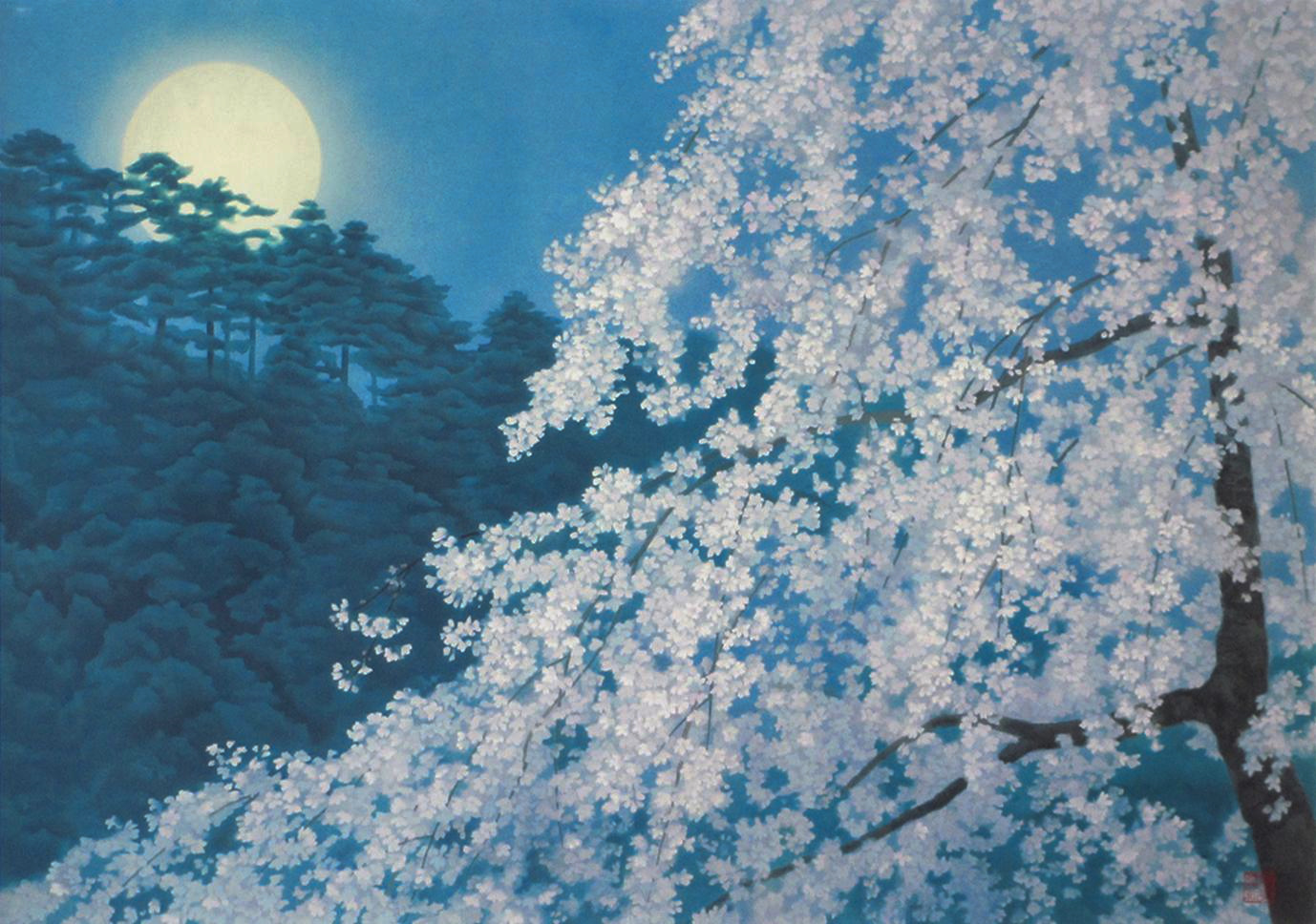
Cherry Blossoms at Dusk — Kaii Higashiyama
I’m writing this in the quiet moment when early autumn has finally arrived ――― In recent years, summer has grown so unbearably hot that its lingering heat seems to push autumn further and further away. And just when the cool breeze arrives, the days suddenly turn cold, winter sweeps in, spring follows, and just like that・・・I find myself getting older again 😅
Among the four seasons, autumn is my favorite, followed closely by spring. How about you? Today, I’d like to talk about two beloved Japanese traditions that bloom in these seasons: hanami in spring and tsukimi in autumn.
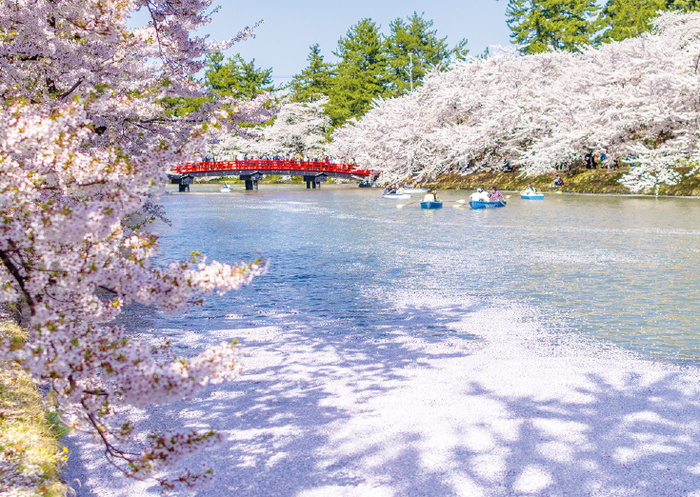
Cherry blossoms are often seen as a symbol of Japan, and hanami — the tradition of appreciating these delicate flowers — has become an essential part of spring. I imagine that’s true for most people, and I’m no exception; I go out to see them every year.
So before hanami became such a deeply rooted custom for the Japanese, what kind of history shaped it? Let’s take a gentle look back.
Nara Period (8th Century) — The Age of Plum Blossoms Hanami is said to trace its origins back about 1,300 years. But in those early days, the star of the season wasn’t the cherry blossom — it was the plum. Considered an elegant import from China, plum blossoms were cherished among the aristocracy, and many of the poems in The Manyōshū, Japan’s oldest poetry anthology, were devoted to them.
Heian Period (9th–12th Century) — From Plum to Cherry Blossoms As values shifted from the Chinese-influenced to the distinctly Japanese, the cultural spotlight moved from plum blossoms to cherry blossoms. In the early 9th century, the emperor held a cherry-blossom viewing in Kyoto, often regarded as Japan’s first official hanami gathering. Literary classics from this era — The Tale of Genji and The Pillow Book — are filled with vivid scenes of cherry blossoms, showing how deeply they had captured the hearts of the court.
Kamakura–Muromachi Periods (13th–16th Century) — From Aristocrats to Warriors As the warrior class rose to power, hanami began to spread further. Successive shoguns admired cherry blossoms and hosted viewing gatherings in temple grounds and gardens. Around this time, hanami evolved from simply “viewing blossoms” to enjoying feasts and festivities beneath them, laying the groundwork for today’s style.
Edo Period (17th–19th Century) — A Tradition for the People Shogun Tokugawa Yoshimune planted cherry trees across Ueno Hill, encouraging hanami as an event the common people could enjoy. Food, sake, bento, street stalls, shamisen music — many features of modern hanami took shape in this era. Ukiyo-e prints often depicted lively blossom-viewing scenes, firmly establishing hanami as a beloved spring tradition.
Meiji to the Present (19th–21st Century) During the Meiji era, cherry trees were planted across the country, appearing in schools, parks, and public spaces. After the war, “the cherry blossom front” — annual bloom forecasts became part of the national calendar, and hanami remains a cherished event for people of all ages.
The History of Tsukimi
Next, let’s turn to tsukimi — moon viewing.
Nara Period (8th Century) — Born Alongside Hanami Tsukimi is thought to have begun around the same time as hanami, brought from Tang-dynasty China as part of the Mid-Autumn Festival. On the 15th night of the eighth lunar month, people admired the full moon, enjoying poetry, music, and quiet gatherings. Japan’s oldest poetry anthology, The Manyōshū, contains many verses celebrating not only blossoms but the moon as well.
Heian Period (9th–12th Century) — The Golden Age of Moon Viewing Among the aristocracy, moon-viewing reached its peak. Court nobles would hold elegant kangetsu no en — moon-viewing banquets — often gazing at the moon reflected on the surface of a garden pond. The moon was seen as a symbol of mono no aware, a mirror that revealed the feelings hidden deep within one’s heart.
Kamakura–Muromachi Periods (13th–16th Century) — Zen, Wabi-Sabi, and Stillness As tsukimi spread to warriors and monks, it took on a more spiritual tone. With the rise of Zen and the tea ceremony, people began to see in the moon themes of silence, impermanence, contemplation, and enlightenment. Moon-viewing gradually shifted from mere appreciation to something more inward and reflective.
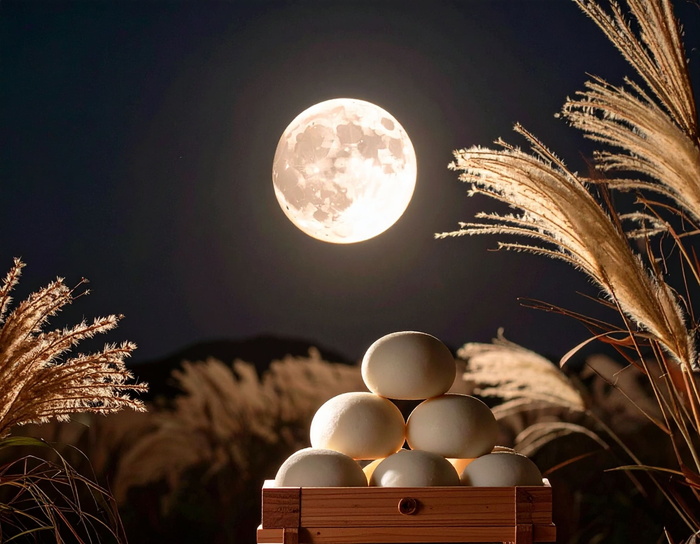
Edo Period (17th–19th Century) — A Custom of the People Among farmers and townsfolk, tsukimi became part of an autumn harvest celebration, giving thanks for the season’s bounty. Offerings such as dumplings, taro, chestnuts, and pampas grass became common — traditions that continue today. Haiku and ukiyo-e frequently depicted these moonlit scenes, showing how deeply tsukimi had entered everyday life.
Meiji to the Present (19th–21st Century) A major change came with the switch from the lunar calendar to the solar calendar, causing the date of the traditional full-moon night to vary each year. Unlike hanami, modern tsukimi is no longer a widespread social gathering. Yet every autumn, the season quietly arrives: TV programs feature the full moon, shops release “moon-themed” sweets and foods, and people remember — almost instinctively — that it is time for tsukimi once again.
Comparing Hanami and Tsukimi
What comes to mind when you think of cherry blossoms?
It may differ from person to person, of course. But for many Japanese people, seeing those pale pink petals burst into full bloom — and then fall away in such a brief moment — stirs a quiet emotion. This sensibility connects deeply with Japanese aesthetics and often appears as a metaphor for life in samurai lore, literature, and even film.
And what about tsukimi? To explore the contrast, here’s a simple comparison of the two traditions from a few different angles.
Spring-only products themed around cherry blossoms (drinks, cosmetics, fashion, and more)
Foods inspired by “the moon as an egg yolk” (tsukimi burgers, beef bowls, udon, etc)
Are Introverts More Drawn to Tsukimi?
Having compared hanami and tsukimi, which one do you prefer?
If I had to choose just one… it would be tough 😅 Both have something that pulls at my heart. But from the perspective of this blog’s theme — introversion — I’d say tsukimi. It might be a bold comparison, but hanami feels more extroverted: lively, loved by all, and full of joyful noise. Tsukimi, on the other hand, is gentle and still — almost shy. It has the quiet charm of an introvert.
I often glance up at the moon on my way home from work, just to see how it’s doing. The autumn moon is my favorite, but I find myself watching it throughout the year 🌓
Hanami in spring, tsukimi in autumn… and summer has its traditions, winter has its own. Each season carries its own character, giving rise to customs shaped by nature itself. None is better or worse — they’re simply there to be enjoyed.
In the same way, “introvert” and “extrovert” are just different expressions of who we are. By accepting and enjoying those differences, we begin to shape our own sense of self. Now that I’m firmly in middle age, I think I’ve finally started to enjoy being who I am. It’s hard to put into words, but this feeling touches the deep, human part of us — quietly wonderful in its own way.
So I hope you, too, can enjoy each season’s traditions … and enjoy being yourself !
ABOUT US
おつう / O'tu
Hello! I’m a Japanese IT engineer in my 40s, and I’m married.
I've been writing a blog about introversion, and along the way I’ve come to realize that the challenges introverts face are universal, regardless of nationality.
That's what led me to start sharing my thoughts in English too.
Hello! I’m a Japanese IT engineer in my 40s, and I’m married.
I've been writing a blog about introversion, and along the way I’ve come to realize that the challenges introverts face are universal, regardless of nationality.
That's what led me to start sharing my thoughts in English too.
Hello! I’m a Japanese IT engineer in my 40s, and I’m married.
I've been writing a blog about introversion, and along the way I’ve come to realize that the challenges introverts face are universal, regardless of nationality.
That's what led me to start sharing my thoughts in English too.