Composers Who Seem Introverted
Now that we’ve gotten a general feel for classical music, let’s turn to the people who composed it — the composers themselves.
In true blog fashion, I’ll be introducing them through the lens of introversion and extroversion, along with some of their well-known pieces.
Of course, these concepts didn’t exist in their time — Carl Jung first proposed them in the 1920s — so this is just my own take, based on what I’ve read in music history books and online sources. It’s nothing scientific, just something to enjoy casually as you read through.
First, let’s look at some composers who seem introverted.
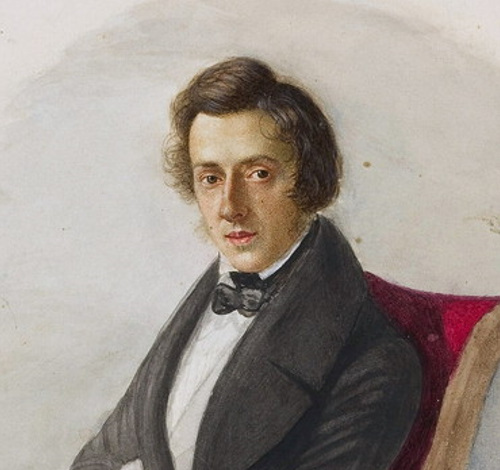
Frédéric Chopin
Poland
1810〜1849(Romantic)
Uncomfortable with large public concerts, he preferred performing in intimate salons among close friends. Sensitive by nature, he loved solitude and, while coping with fragile health, cherished quiet hours for composing.
Etude in E Major, Op.10-3 “Tristesse”
・・・a melody that quietly seeps into the heart
Fantaisie-Impromptu in C♯ minor, Op.66
・・・a dramatic outpouring of hidden emotions
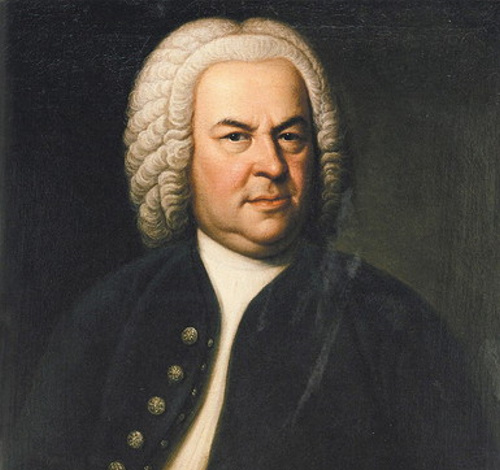
Johann Sebastian Bach
Germany
1685〜1750(Baroque)
A steady, craftsman-like figure who valued life with his family and church, he pursued musical perfection over popular fame. Rather than socializing, he immersed himself in his inner world and created countless masterpieces.
Cello Suite No.1 in G Major, Prelude
・・・a calm, cleansing resonance
Jesu, Joy of Man’s Desiring
・・・a gentle prayer-like piece that feels close and comforting
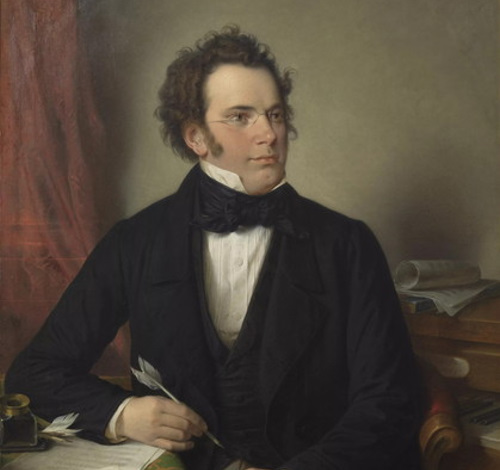
Franz Schubert
Austria
1797〜1828(Romantic–Classical)
Shy and uncomfortable in the public eye, he found joy in Schubertiades — gatherings with close friends where he could share music freely. These intimate exchanges became a source of inspiration for his creativity.
Erlkönig, D328
・・・a thrilling, story-like song that pulls you in the more you listen
Impromptu in G♭ Major, D899-3
・・・soft, comforting tones for quiet hours
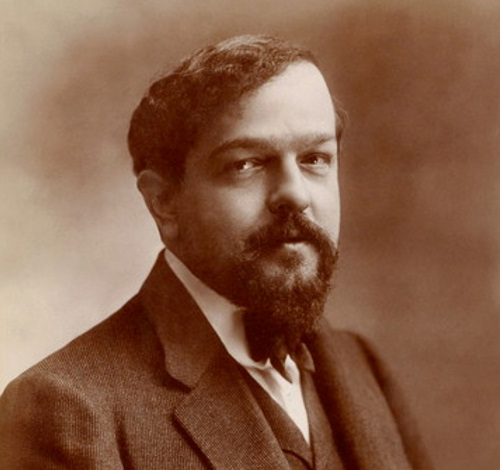
Claude Debussy
France
1862〜1918(Impressionism)
Never at home in high society, he sought freedom in sound through solitude. Deeply influenced by nature and poetry, he broke away from convention, allowing his inner world to shape his music.
The Girl with the Flaxen Hair
・・・soft as wind passing through fields
Clair de lune (from Suite bergamasque)
・・・a moment as dreamlike as a moonlit night
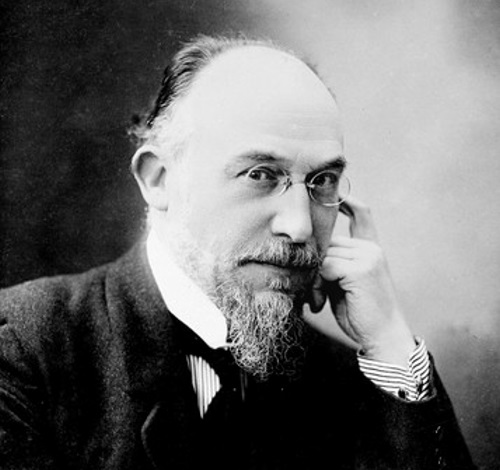
Erik Satie
France
1866〜1925(Impressionism)
An eccentric who loved solitude, he lived quietly in a modest room on the outskirts of Paris, creating music entirely on his own terms. Uninterested in grand social scenes or public fame, he simply enjoyed his own private world.
Gymnopédie No.1
・・・a stillness that makes you want to do nothing but listen
Gnossienne No.1
・・・a pleasant sense of having wandered into a mysterious world