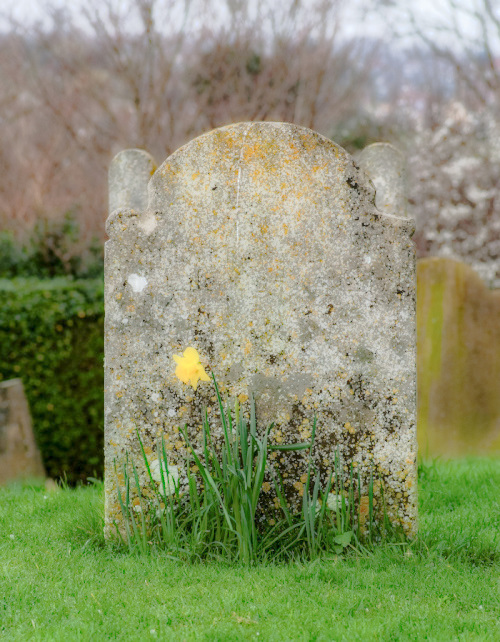
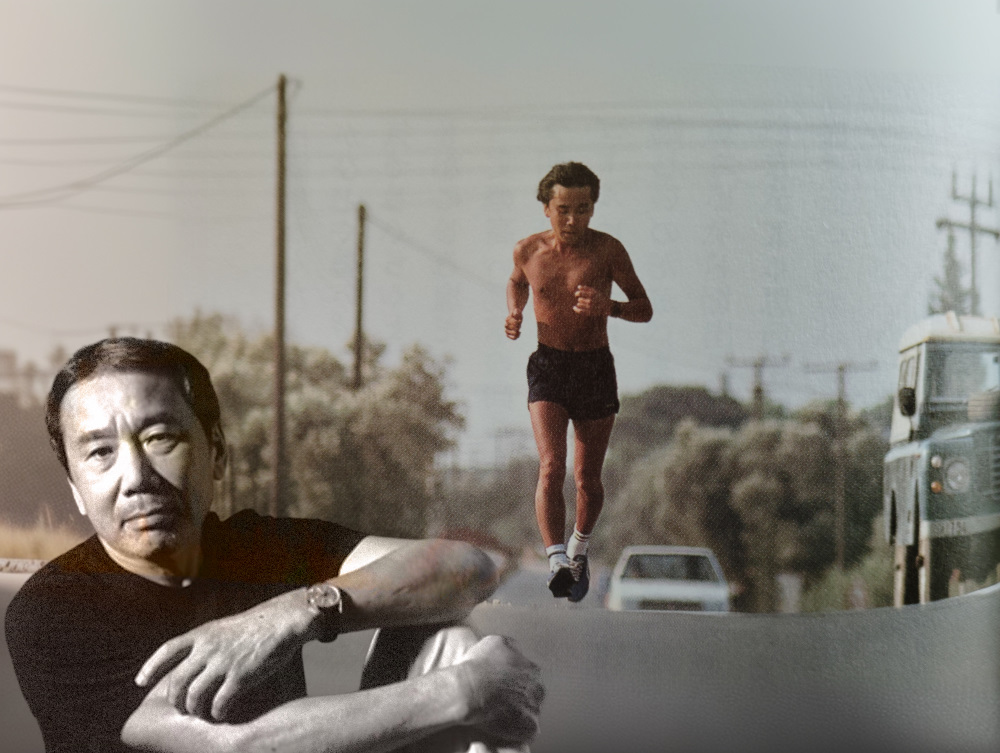
If I could choose the words to be engraved on my tombstone, I think I’d like them to read something like this:
Haruki Murakami
Writer (and Runner)
1949 - 20**
At least, he never walked.
This time, I’d like to introduce Haruki Murakami — a novelist famous not only in Japan but all around the world.
Of course, he’s already been talked about in countless places, but I hope to share a perspective that’s a little more personal, something unique to this blog.
My Connection with Him
The first time I came across Haruki Murakami’s work was around junior high school, when I picked up Norwegian Wood. The book was a huge hit at the time — in fact, it still ranks as one of the best-selling novels in Japan, with about ten million copies in print. I probably grabbed it simply because it was displayed so prominently at the bookstore. But back then, as a kid, I couldn’t quite grasp what it was about and gave up halfway through. It wasn’t until more than a decade later, as an adult, that I picked up one of his books again.
Now I love his novels — their unmistakable, one-of-a-kind atmosphere.
But what I want to talk about this time are not his novels, but two of his autobiographical essay collections.
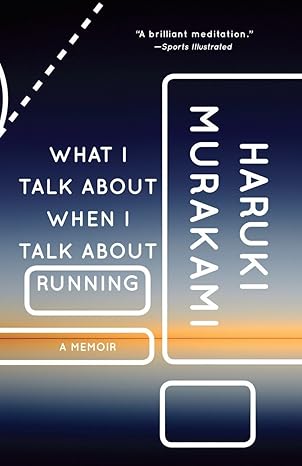
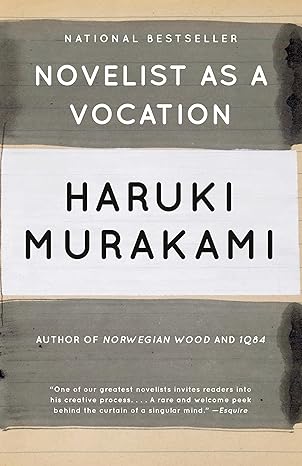
For an introvert like me, these two books are treasures. I’ve read them over and over again, each time feeling as if his words quietly sink into my chest — soothing, like water to a thirsty throat.
In his essays, Murakami describes himself as shy, unsociable, and not suited for team sports. He never explicitly calls himself an introvert, but I’m convinced that he sees himself that way. When I read his words, I sometimes feel as if he’s reaching into my mind and putting my own thoughts into words.
He also says that running suits him because it’s an individual sport, one that doesn’t rely on bursts of speed but endurance. Making it a habit, he says, keeps his body and mind healthy and positively affects his writing. I can relate — I don’t run every day, but I do it regularly, and what he says resonates deeply.
It’s always hard to get started. Even after I begin, it’s painful.
But sometimes a refreshing breeze blows through, and I come alive again.
I mix a bit of that pleasant wind into the strain, running quietly at my own pace, with no need to please anyone.
When I finally reach the end, there’s a deep sense of fulfillment — one that nothing else can replace.
And then I run again. And again…
As I keep going, something inside me changes — slowly, but surely.
Until the End, an Introvert
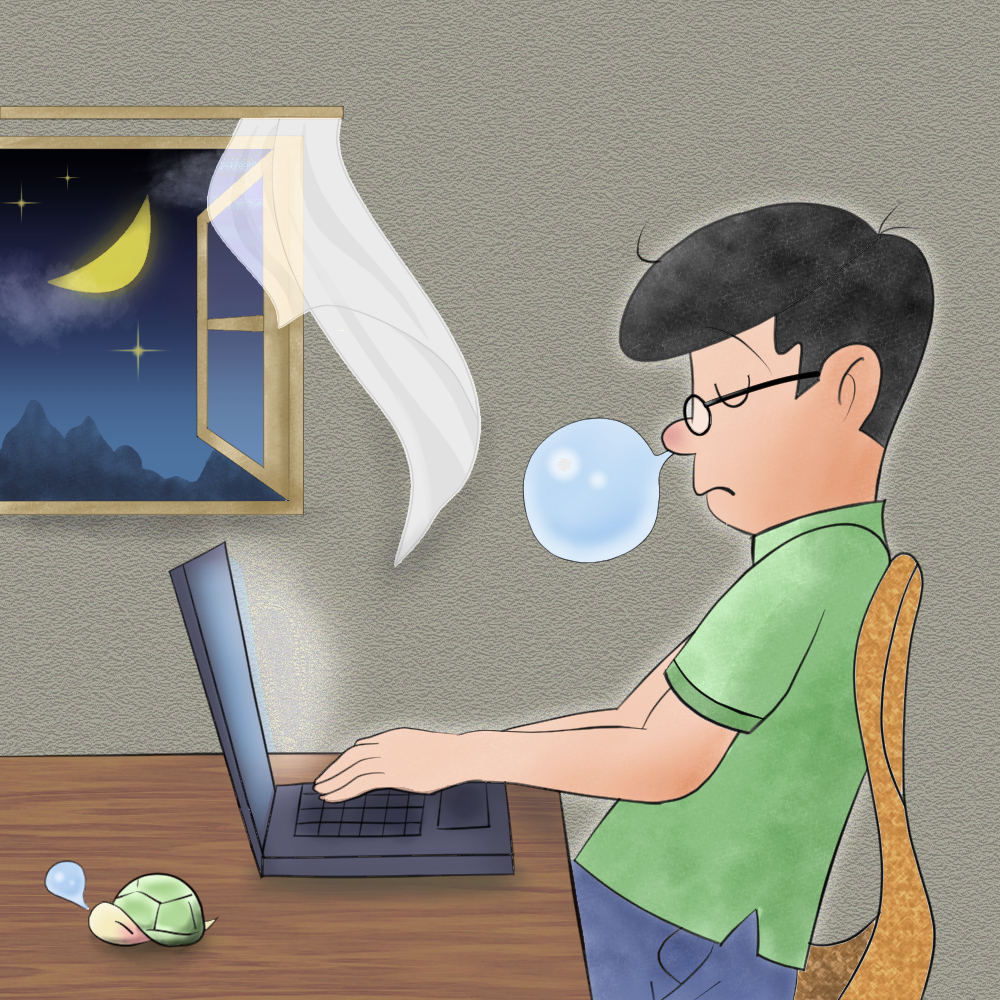
I’m the kind of person who prefers to be alone — or, to be more precise, someone who doesn’t find being alone all that painful. Even if I spend an hour or two running in silence, or four or five hours at my desk writing without speaking to anyone, I don’t really find it difficult or boring.
That tendency has always been there, ever since I was young. Rather than doing things with others, I preferred reading quietly by myself, or listening intently to music. There was never a shortage of things I could do alone.
~What I Talk About When I Talk About Running~
How about you?
If you’re an introvert, I’m sure you can relate.
When I compare the time I spend alone with the time I spend around others, I feel that I’m more alive — freer — when I’m by myself. Writing like this, reading, playing the piano, painting, building something, or working on small projects — I never get bored. In fact, I sometimes worry that I might be a little too self-contained. (Of course, I’m not physically alone — I have a family — but I suppose I see them as an extension of myself in some way)
Personality and temperament can be changed to some degree through experience, but I believe the core remains the same. Even as adults, that root doesn’t change — probably not until the day we die. Murakami calls it nature.
Because of Solitude
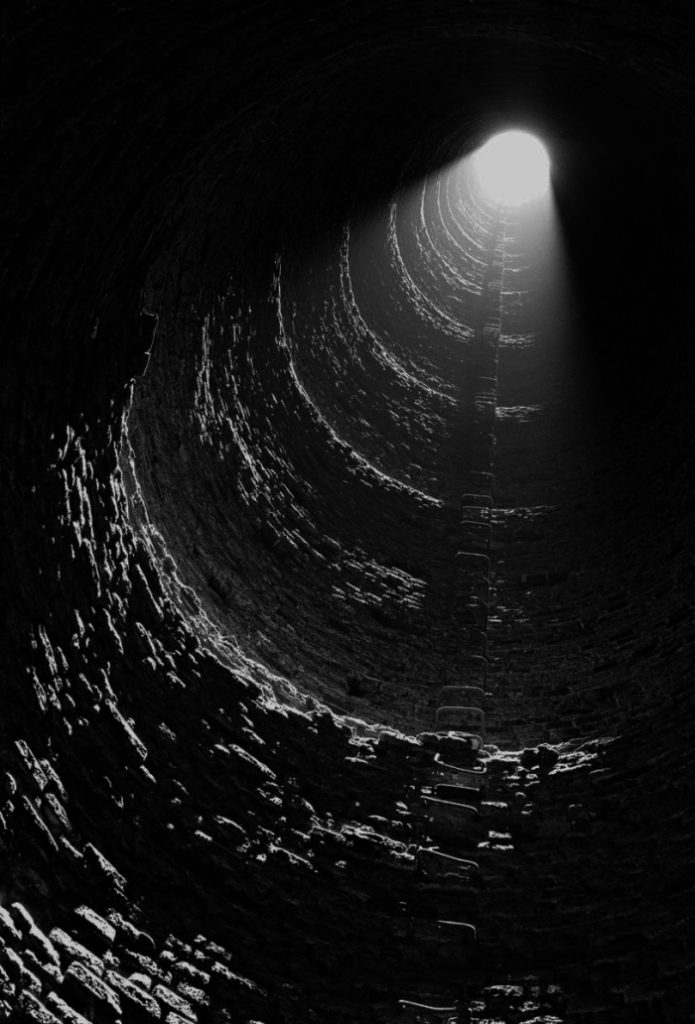
Calling it “a solitary task” might sound cliché, but writing a novel — especially a long one — really is a lonely kind of work. At times, I feel as though I’m sitting alone at the bottom of a deep well. No one comes to help, and no one pats me on the shoulder to say, “Good job today.”
Of course, when a finished work is praised, that’s rewarding — if things go well, that is. But the act of writing itself, the long silent process that leads there, usually goes unnoticed. It’s a burden a novelist must carry quietly, all alone.
~Novelist as a Vocation~
It might sound presumptuous to compare myself to a world-famous author like him, but as someone who also writes — even just as a hobby — I understand this feeling well. Writing is, by its nature, a solitary act. But it’s not limited to novelists. Reading, listening to music and studying — all of these too are fundamentally solitary activities.
What particularly stays with me is the line:
“At times, I feel as though I’m sitting alone at the bottom of a deep well.”
Anyone who creates something — whether writing, composing, painting, or programming — will probably understand that feeling. When you try to bring something into being from nothing, you often start from that same darkness.
You descend into your own mind, into the depths of that inner well — searching for something that might be down there. At first it’s frightening and suffocating, but from that darkness, you rise again, carrying a small idea, shaping it into something real — into yourself.
That, to me, is the true joy of creation. And I believe such a process can only happen when you allow yourself to be alone.
To Write as I Run, to Live as I Write
Writing a novel is, by nature, an incredibly inefficient task. It’s a process of saying “for example” again and again. You start with one personal theme, and then you reframe it in another context — “It’s like this,” you say, “for example, imagine it this way.”
But within each rephrasing lies ambiguity — a fuzziness that never quite disappears. So you go on paraphrasing, over and over, like opening a Russian nesting doll only to find another one inside.
~Novelist as a Vocation~
The two books I’ve introduced here show two sides of him:
・Novelist as a Vocation reveals how he approaches his work,
・What I Talk About When I Talk About Running explores the habits of his everyday life outside of work.
Together, they reveal not just Murakami’s work and habits, but the very shape of his life itself. Writing novels, running, living — these three are inseparably connected for him. To neglect or abandon even one would be unthinkable. Just like the words carved in stone.
Among the words that stood out to me in his essays were paraphrase and metaphor. Both, in a sense, are ways of transforming what’s inside you into another form — not explaining it directly, but expressing it through something else.
So, let me end this piece with my own small paraphrase, a way to capture what I felt while reading those two books:
Life is an endless marathon,
and at the same time, an unfinished novel.
Both are solitary, both exhausting,
but all we can do is keep moving forward —
at our own pace,
until the day we finally reach the end.