
This time, I’d like to introduce a personality test called MBTI. You might already be familiar with it, but I did a bit of digging and put together my own summary — hope you enjoy it!
Before It Became Popular
MBTI (Myers-Briggs Type Indicator) was developed by an American psychologist, Katharine Cook Briggs, and her daughter, Isabel Briggs Myers. (The “MB” in MBTI comes from their last names)
It all started in the 1920s, when Katharine began studying Carl Jung’s work Psychological Types. Later, Isabel took over and completed the MBTI in the 1940s. It was even used during World War II to help with career placement — especially to support women entering the workforce at the time.
In the 1970s and 80s, MBTI began gaining traction in the business and education fields across the U.S. and other Western countries. By the 1990s, it had spread widely into the mainstream, becoming a popular tool for self-understanding and personal development.
The stage is set in East Asia. Fast forward to today — the MBTI trend first caught fire in South Korea, especially among younger people. That excitement soon spread to Japan, where more and more celebrities started sharing their results publicly. Media coverage helped fuel its popularity, and now it’s become a common topic.
In Japan, blood type personality tests have long been popular. But lately, MBTI is getting more attention as a newer, alternative type of personality analysis.
What Kind of Test Is It?
In the U.S., The Myers-Briggs Company provides the official MBTI test. However, there are also free, unofficial versions online. For this post, I mainly referred to 16Personalities, a popular site.
You answer a series of questions, which take about 10 minutes, and based on the following criteria, your type is determined automatically.
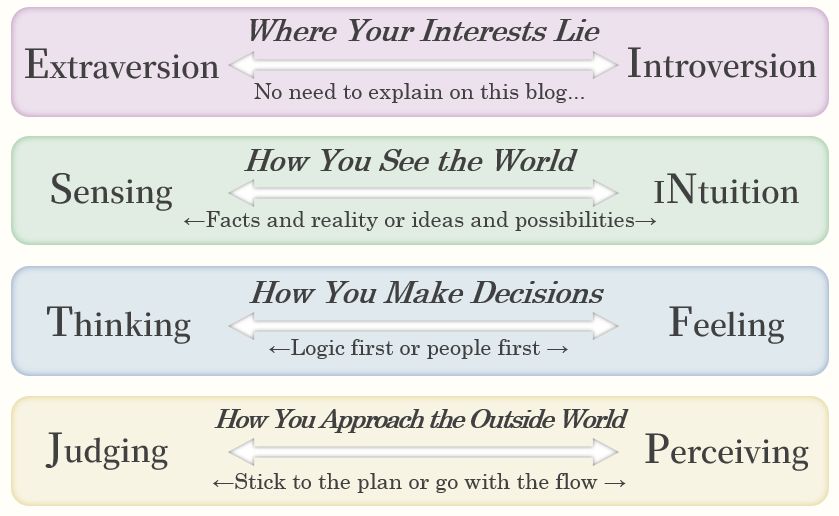
The results place you into one of 16 personality types.
Here are just the ones that start with “I” for introverts — the main theme of this blog.
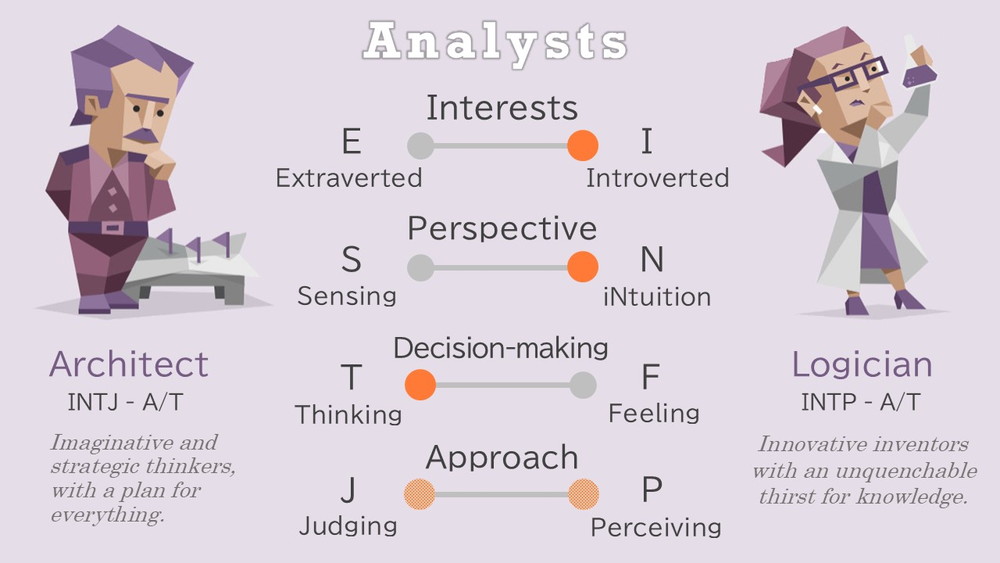
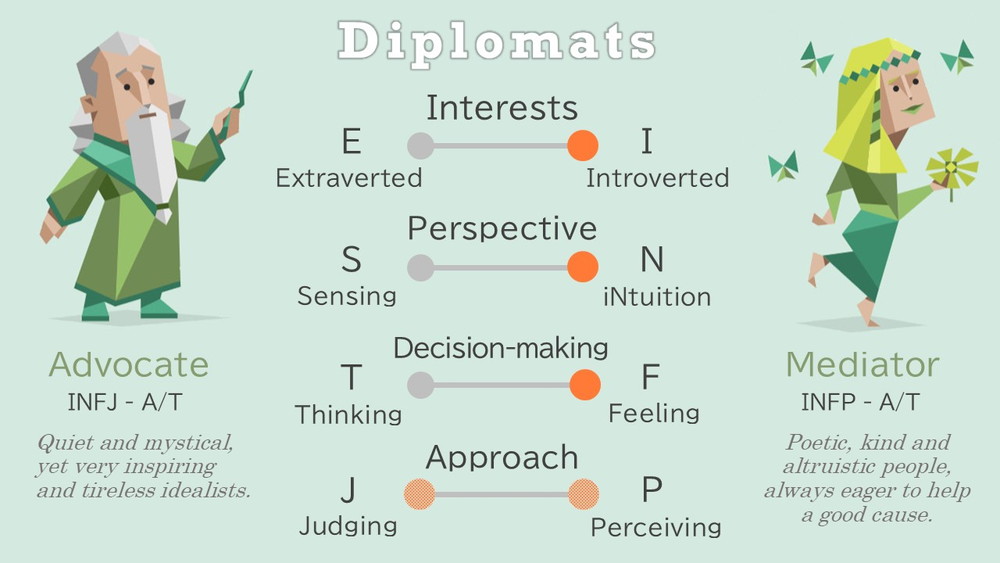
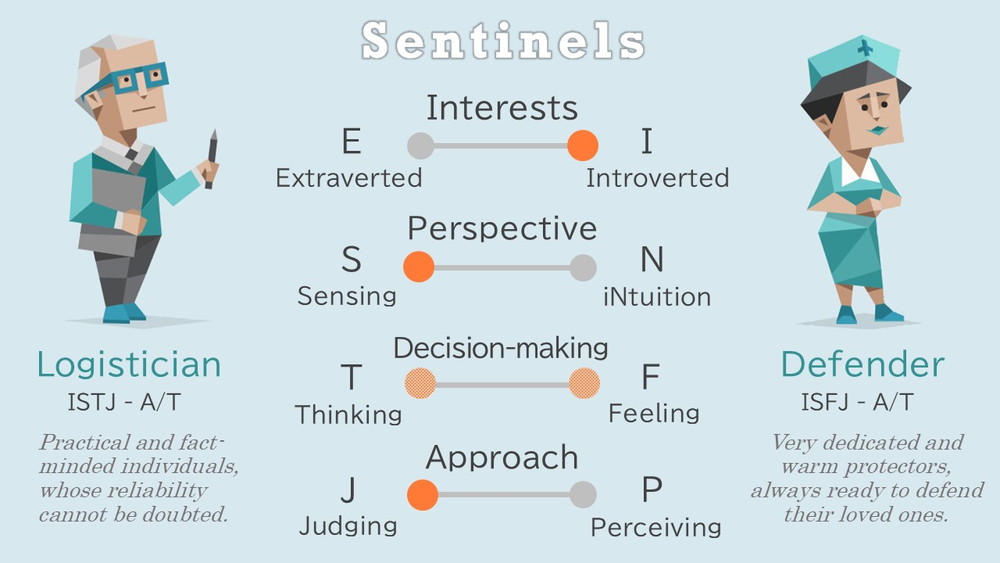
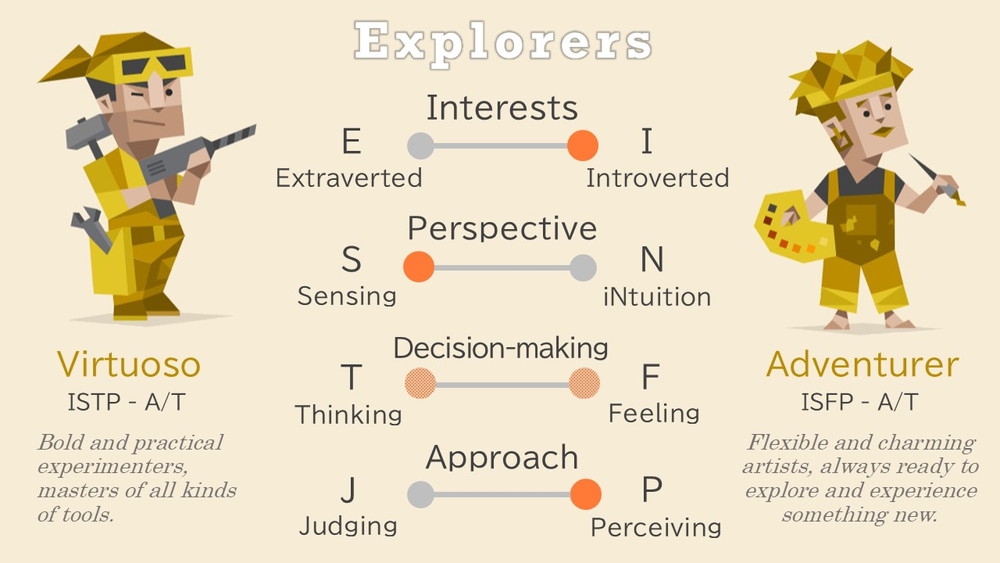
You might also see an “-A” (Assertive) or “-T” (Turbulent) added to the end of a type — these are unofficial, but they reflect how confident and stress-resistant you tend to be:
A(Assertive): more self-assured, handles stress well
T(Turbulent): more sensitive to stress, mood can shift easily
A quick heads-up: these test results aren’t set in stone. Your type may change depending on your mindset or life situation. So just treat it as a fun reference — and interpret the results however works best for you 😊
What If I Were an Extravert?
I took the test myself for the first time! My result was:
INTJ-Architect-
Honestly, that feels spot-on 😌
But… it got me wondering… what if I were an extravert instead 🫣
Just changing the “I” to an “E” gave me this:
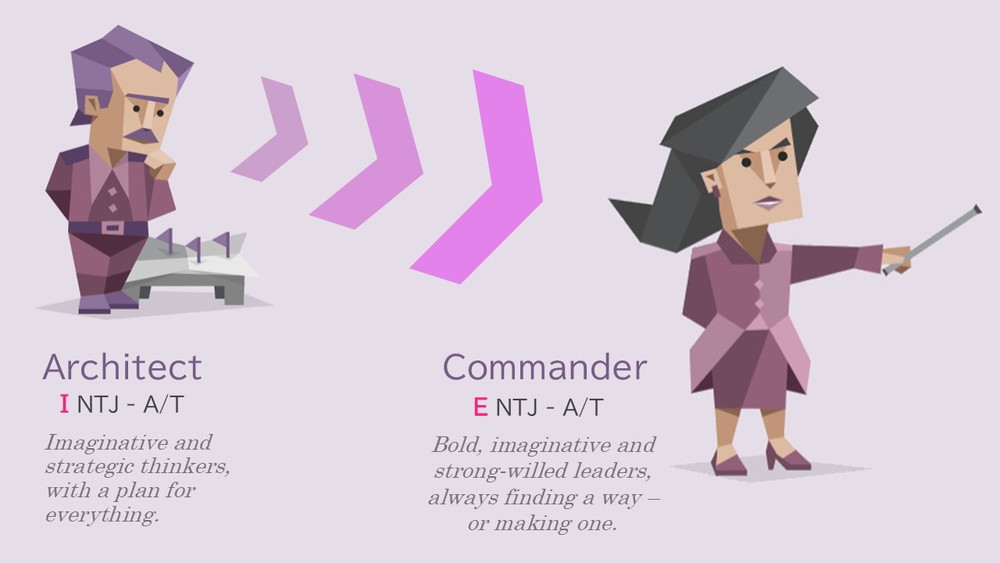
I kind of like it 😄 I don’t think I could suddenly become an extravert, but it was fun to imagine a different side of myself (Though now that I think about it… there have been rare moments in the past when I acted just like an extravert! Weird, right? Maybe I’ll talk about that another time)
The MBTI is free and super easy to try — so if you haven’t yet, why not give it a go?
You might discover something new about yourself👌