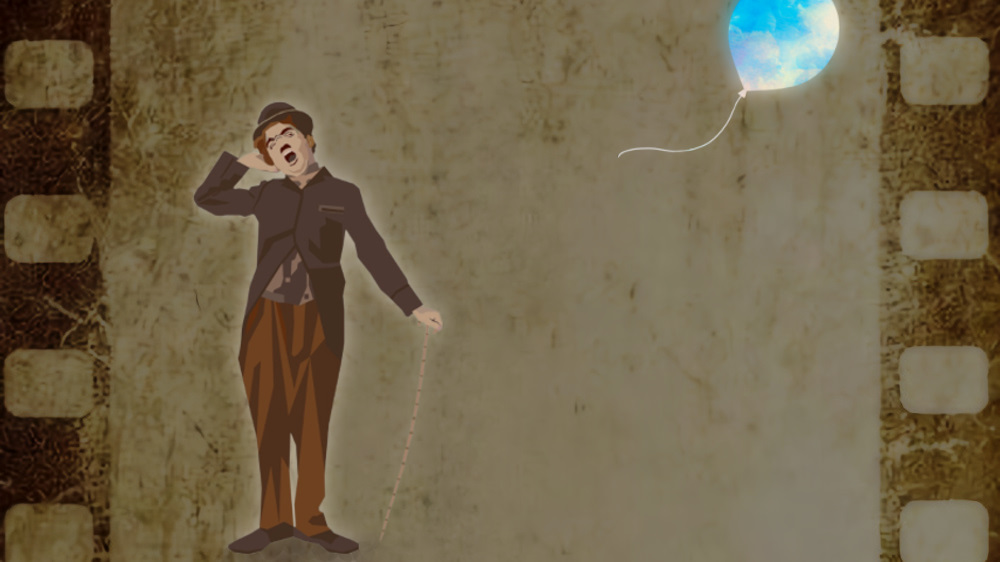
Even if you’ve never seen one of his films, you surely know the name ― Charlie Chaplin. The tiny mustache, the bowler hat, and the cane… Today, I’d like to share some unforgettable quotes from this iconic figure.
Gems of Wisdom
You’ll never find a rainbow if you’re looking down.
Failure is unimportant. It takes courage to make a fool of yourself.
To truly laugh, you must be able to take your pain and play with it.
Go on, never worry about how you are going to do something. Just go for it if you feel it’s right. That’s intuition.
I always like walking in the rain, so no one can see me crying.
There is something as inevitable as death — and that is life.
We think too much and feel too little.
Life can be wonderful if you’re not afraid of it. All it takes is courage, imagination… and a little bit of money.
These quotes are filled with Chaplin’s trademark wit, tenderness, and a deep sense of humanity. They are timeless reminders to laugh, to feel, and to live with courage.
Who Was He?
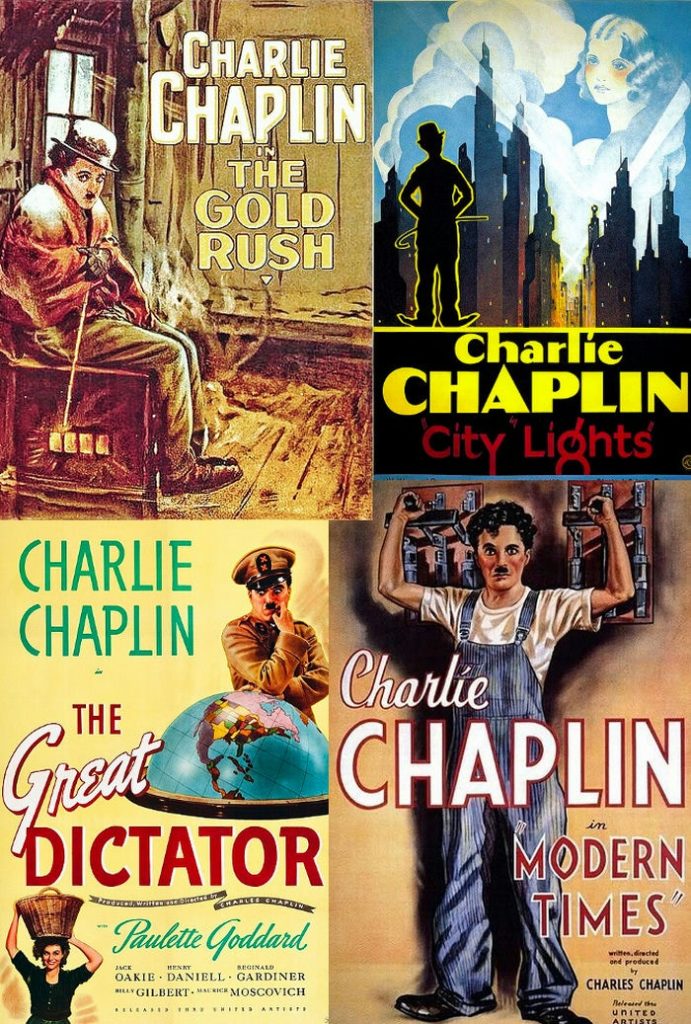
Chaplin rose to fame during the era of silent films — black and white, without sound. I’ve seen a few of his works, and although they look very different from today’s movies, they remain incredibly entertaining. It’s not just about visual beauty — it’s the characters, the storylines, the creativity in every frame that make them captivating even now.
He lived and worked during one of the most turbulent times in history — the rise of Nazism, global wars, and social upheaval. And yet, through it all, Chaplin never stopped smiling. He used film not just to entertain, but to send messages of peace and hope, always staying true to his belief in the power of laughter.
Born into poverty, Chaplin’s childhood was filled with hardship. His father struggled with alcoholism, his mother suffered from mental illness, and he spent time in orphanages. Despite these obstacles, he rose to become a star of Hollywood. But even after achieving fame, he never lost his connection to the common people. He remained deeply sensitive to social injustice and never stopped using film as his voice.
A Friend to Japan
Chaplin’s films were released mainly between the 1920s and 1950s. He was born in England and later moved to the United States.
To someone like me — a Japanese person living in the present day — he feels distant, both in time and geography. But when I looked into his connection with Japan, I discovered some little-known and fascinating stories.
- His Visit to Japan
Chaplin first visited Japan in 1932, during a round-the-world trip. He arrived in Kobe and traveled through Kyoto, Osaka, Hakone, and other places. His visit was widely covered in the newspapers, and the whole country seemed to welcome him with open arms. In total, he is said to have visited Japan four times in his lifetime. - The May 15 Incident
Amid growing economic hardship and political distrust, a group of young naval officers staged a coup and assassinated the sitting Prime Minister. Chaplin, being a prominent Westerner, was also considered a symbolic target, and the group had planned to attack his welcome reception. Luckily, he had changed plans and gone to see a sumo match — and narrowly escaped the attack. - The “Tempura Man”
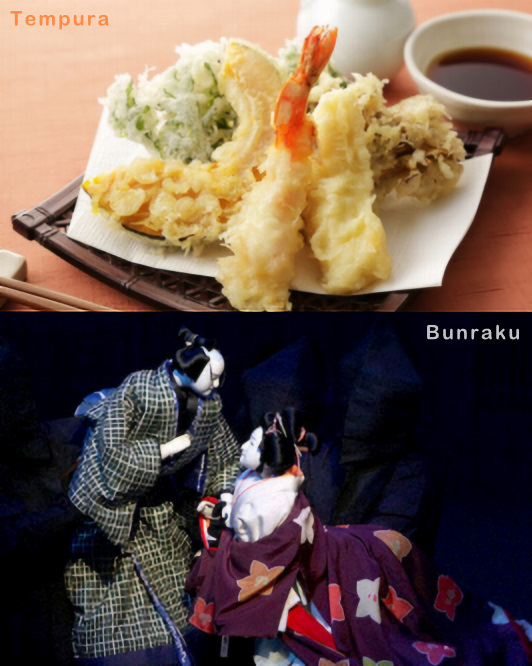
During his first visit, Chaplin enjoyed Japanese food to the fullest — especially tempura, which he liked so much that people jokingly called him “Tempura Man.” He also attended traditional performances like kabuki and bunraku, showing both admiration and deep affection for Japanese culture. - A True Japanophile
Chaplin’s long-time secretary was a Japanese man named Toraichi Kono. At a time when racial prejudice was far more common than today, Chaplin chose him for his sincerity and loyalty — and they stayed together for many years. In one of his later writings, Chaplin is said to have written, “The Japanese are all honest and kind. You can trust them in everything they do.”
Let me end with one more of his famous lines:
Life is a tragedy when seen in close-up, but a comedy in long-shot.